Leadership Choice: The Mechanic or The Gardener?
I've worked with a lot of leaders over the years, and most of them fall into one of two camps, whether they realize it or not.
The first is the mechanic. A mechanic waits for something to break, then fixes it. Fast, hands-on, good in a crisis. When a deal falls apart or a client is furious, you want a mechanic in the room — they diagnose the problem, tighten the right bolt, and get things running again. The trouble is, a mechanic's whole world is reactive. Their calendar is built around whatever broke most recently. Their team learns, over time, that the leader shows up when things go wrong — and stays quiet the rest of the time.
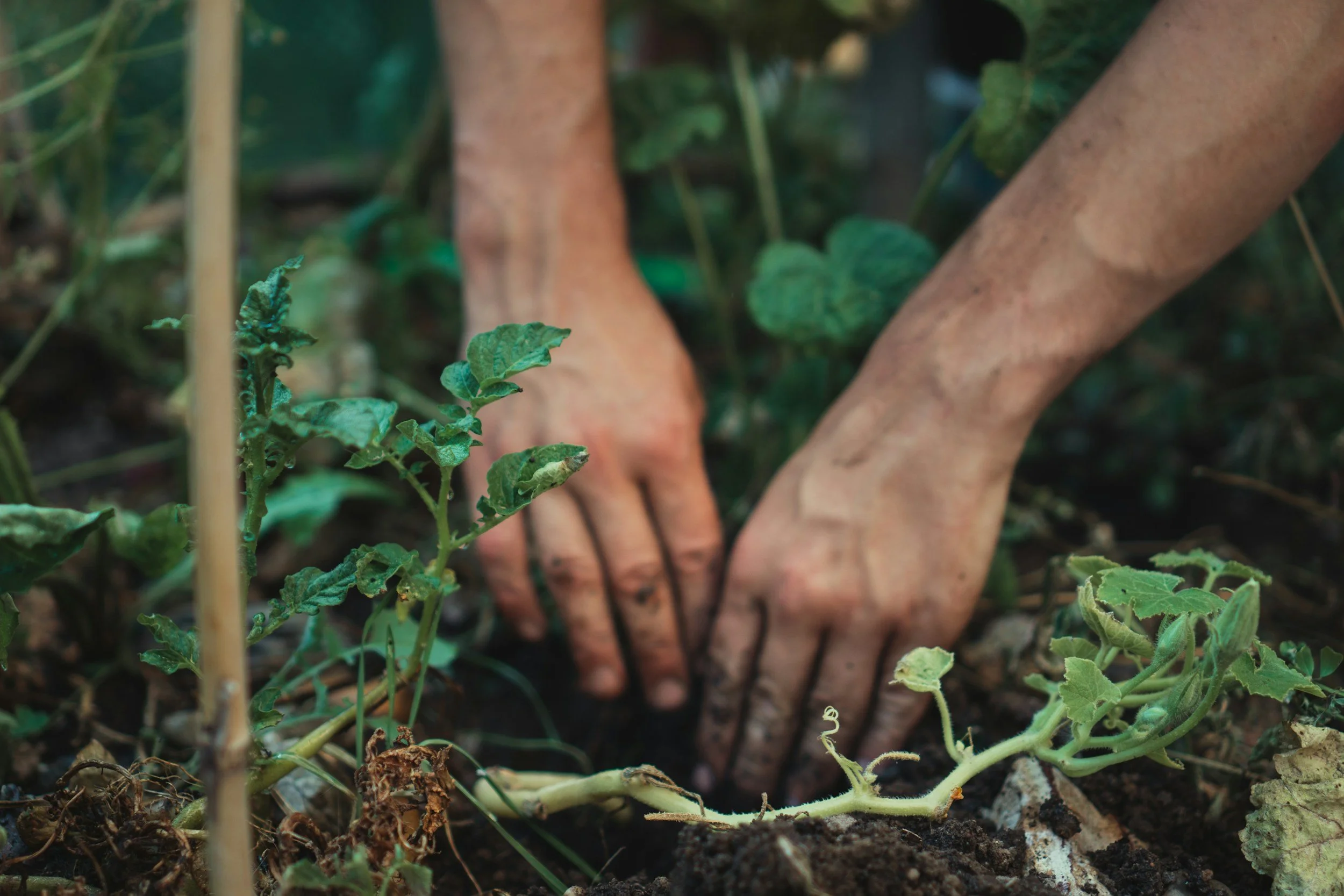
The second is the gardener. A gardener doesn't wait for problems. They spend their time cultivating — watering, weeding, making sure each plant gets the light it needs before it wilts. Applied to leadership, that means investing in people before there's a crisis: coaching, delegating real decisions, building the judgment in others that lets them act without you. A gardener's team rarely needs saving, because the gardener already prepared them to handle what's coming.
Here's the uncomfortable part: mechanics often get promoted faster. Fixing a visible fire is dramatic and easy to point to. Gardening is slow, and its payoff is invisible — you can't easily prove that a crisis didn't happen because you prepared for it. But ask any team which leader they'd rather work for long-term, and the answer isn't close.
Most of us have to be a mechanic sometimes. Fires happen, and they need putting out. But if that's your default mode — if your whole leadership identity is built around fixing what's broken — ask yourself: when was the last time you planted something?